In Winnipeg, a City That Made History, ATU’s Northwest Conference Keeps Moving
There was a reason the ATU Northwest Conference Board chose Winnipeg for this year’s meeting. In 1919, transit workers in the city walked off streetcars and buses and helped shut it down for six weeks, part of the general strike that shook the continent and forced a national reckoning over the right to bargain collectively.
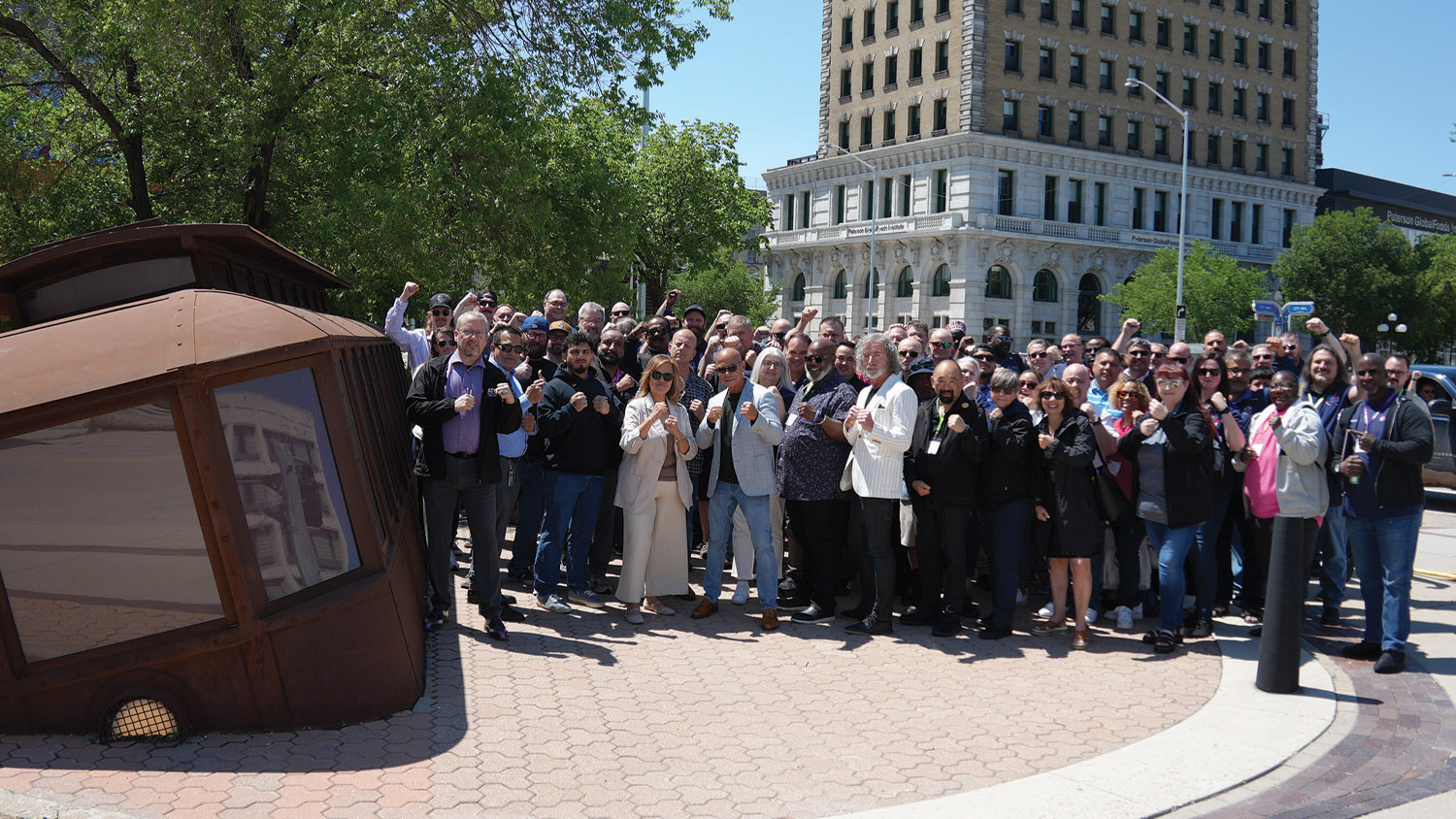
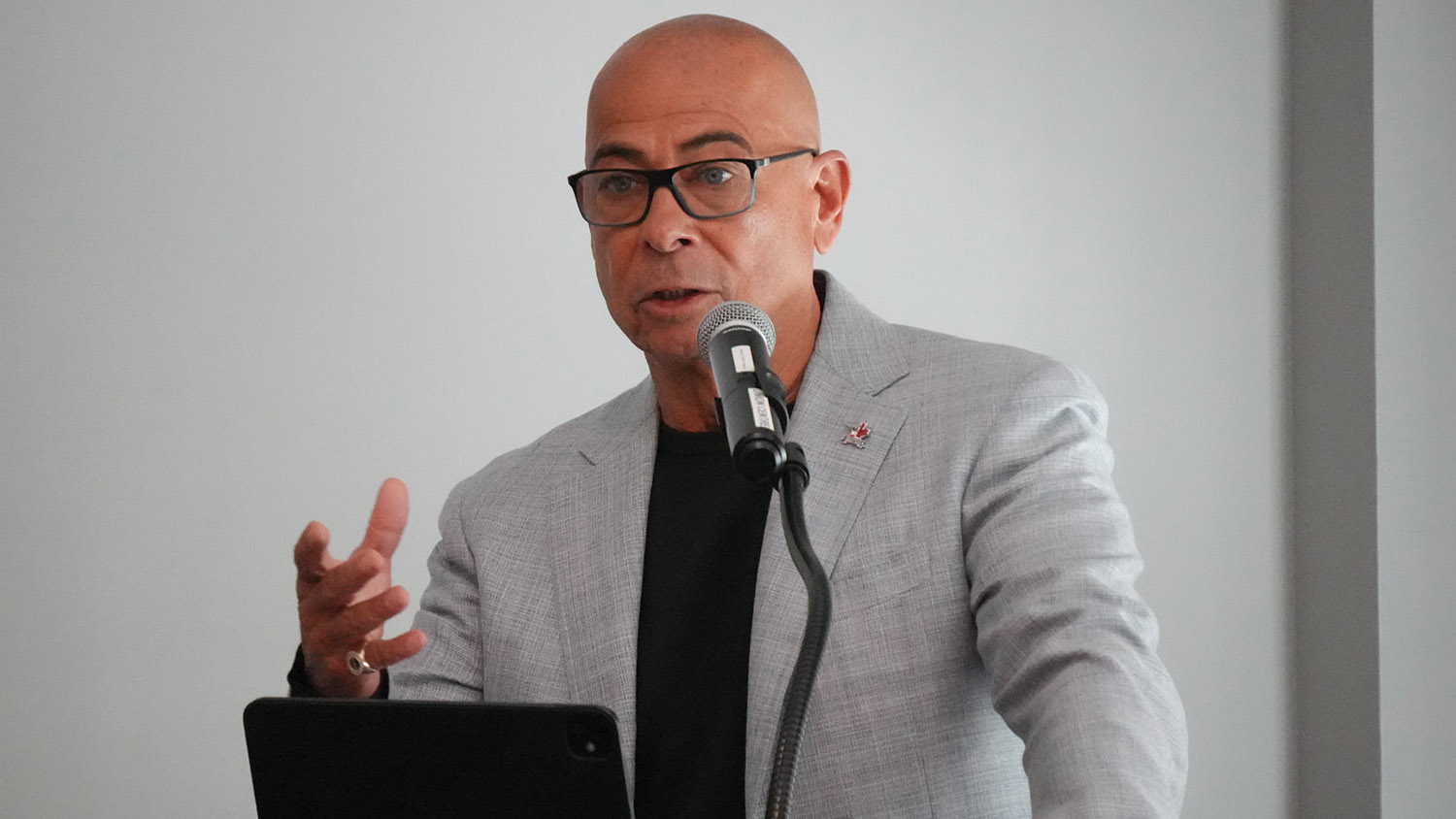
More than a century later, International President John Costa stood in that same city and told a room full of Northwest Locals that the fight hasn’t changed shape so much as it’s changed weapons.
New Threats, Same Resolve
“Our members are facing real threats, from autonomous vehicles and AI that put good union jobs at risk, to violent attacks, to a transit funding crisis that could devastate systems across the country,” Costa told the board. “And at the same time, we’re organizing, we’re bargaining, and we’re winning.”
Across the region, Locals are backing it up. Local 1001-Denver, CO, secured a voting seat on the RTD board, giving transit workers a direct hand in decisions that used to happen without them in the room. From Phoenix to Vancouver, Locals are running active contract campaigns and pushing new organizing drives, expanding our Union’s footprint even as the industry faces down automation and chronic underfunding.
Costa also pointed to workforce development programs taking shape across the Northwest, an investment in building the next generation of transit workers at a moment when the industry needs them most.
The Spirit of 1919, Still Showing Up
The 1919 Winnipeg strike is a touchstone for labor across North America, a reminder of what happens when workers refuse to accept the terms they’re handed. Costa’s message to the Northwest Conference Board leaned directly into that history. The same spirit that shut down Winnipeg for six weeks is the one still showing up in every contract campaign and every worker who won’t back down.